
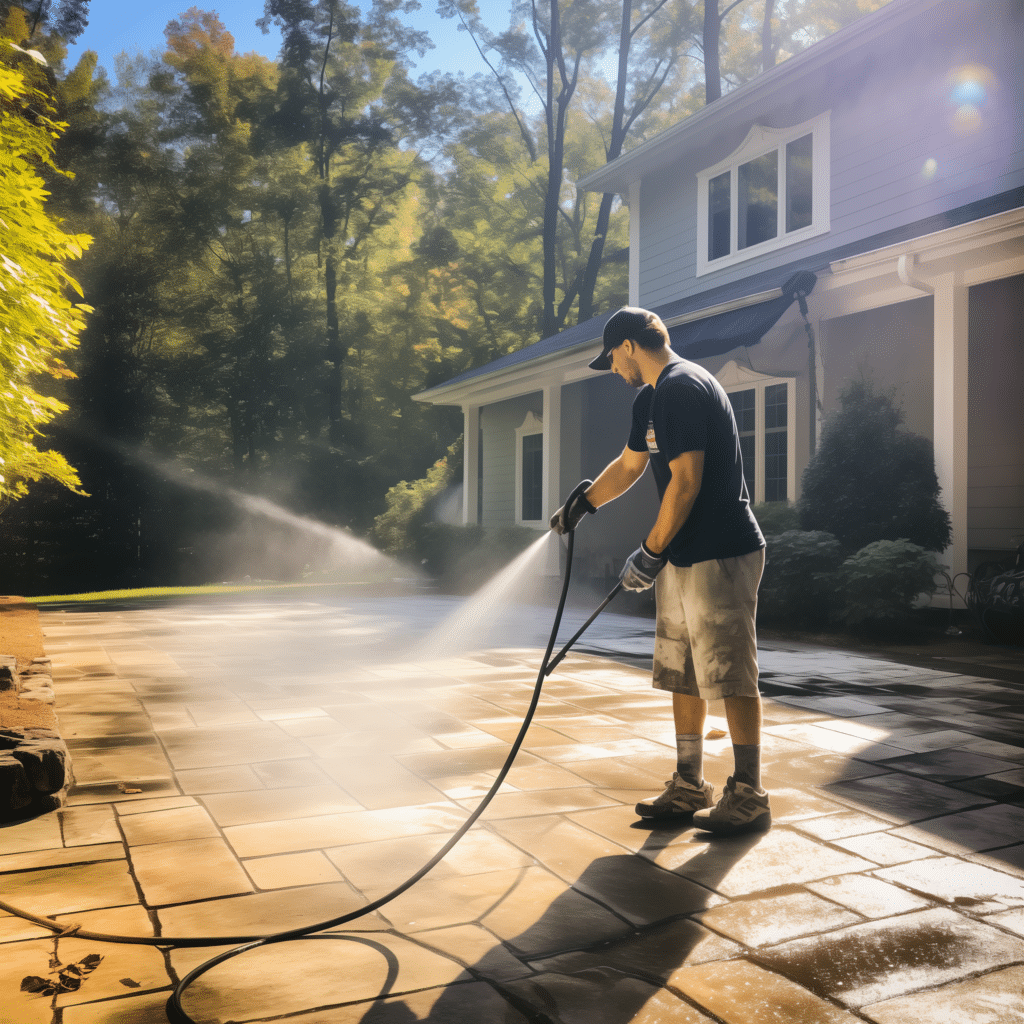
As the temperatures start to drop and the days grow shorter, it’s easy to get caught up in prepping the inside of your home for winter. You’re sealing windows, testing the furnace, and maybe even unpacking those cozy blankets. But don’t forget one of the most important parts of seasonal maintenance, pre-winter pressure washing.
Cleaning your home’s exterior before freezing weather hits isn’t just about curb appeal. It’s about protecting your investment from the dirt, grime, and organic buildup that can cause long-term damage when combined with cold and moisture. Whether you plan to hire a professional or tackle the job yourself, here’s the ultimate checklist to help you prepare your property for winter.
1. Start With the Siding
Your siding is the first line of defense against the elements, and over time, it collects dirt, mildew, and pollen. Before winter, take a good look at your exterior walls. Any grime left sitting through the colder months can stain or deteriorate surfaces once freezing temperatures set in.
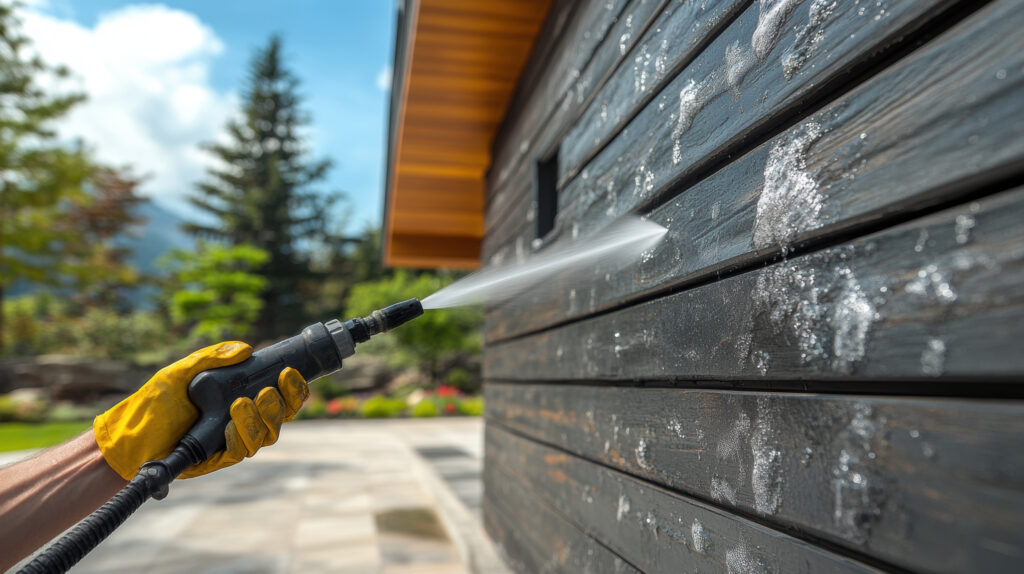
Use your pre-winter pressure washing routine to give the siding a thorough cleaning. Adjust the pressure setting based on your siding material—lower for wood or vinyl, higher for brick or concrete. A mild detergent can help break down stubborn buildup. Not only will this restore your home’s color, but it also ensures the siding can better withstand rain, snow, and freezing temperatures.
2. Don’t Forget the Gutters
It’s easy to overlook gutters, but they’re one of the most important parts of pre-winter pressure washing. Gutters clogged with leaves and debris can freeze solid in winter, leading to blockages, ice dams, and roof damage.
Before temperatures dip below freezing, flush your gutters with water to make sure everything flows smoothly. A pressure washer with a specialized gutter attachment can make this job quicker and more effective. While you’re at it, check for any loose connections or sagging sections that might need repair before the next big storm.
3. Clean the Driveway and Walkways
Driveways and sidewalks take a beating all year, but especially in winter. Dirt, oil, and grime can make these surfaces slippery when combined with snow or ice. Plus, trapped debris can weaken concrete or asphalt when freeze-thaw cycles begin.
As part of your pre-winter pressure washing checklist, give these areas a deep clean. Use a surface cleaner attachment to ensure even coverage and prevent streaking. Once you’ve washed away the grime, inspect for cracks and seal them before winter. This simple step prevents water from seeping in, freezing, and expanding—saving you costly repairs in the spring.
4. Refresh the Deck or Patio

If you have a wood deck, composite patio, or stone seating area, it’s time to get it ready for hibernation. Algae, mold, and dirt can eat away at finishes and make surfaces dangerously slick once the weather turns wet.
Incorporate deck and patio cleaning into your pre-winter pressure washing plan. For wood decks, use a lower pressure and a deck-safe cleaner to avoid damaging the grain. For stone or concrete patios, you can increase the pressure for a deep clean. After washing, let the surface dry completely before applying a sealant or protective coating to keep out moisture.
5. Wash Windows and Screens
Windows often get grimy during the fall due to rain and blowing leaves. Cleaning them now means you’ll enjoy clearer views during the winter months when sunlight is already limited.
Use a soft wash setting on your pressure washer or simply clean by hand with a gentle cleaner. Rinse and dry the screens before reinstalling them. Including windows in your pre-winter pressure washing routine helps prevent buildup that can etch glass or damage frames over time.
6. Check Fences and Outdoor Structures
If you have fencing, pergolas, gazebos, or other outdoor structures, give them some attention too. Dirt and mildew can weaken materials over time, especially wood. Pressure washing these areas helps extend their lifespan and keeps them looking great through the off-season.
This step in your pre-winter pressure washing checklist also gives you a chance to spot loose boards, peeling paint, or rusted fasteners that might need repair before cold weather sets in.
7. Tackle the Garage and Driveway Entrance
The garage area tends to collect oil stains, mud, and other grime from vehicles. When winter hits, these substances can mix with melting snow and salt, creating a slippery mess.
Use your pre-winter pressure washing session to clean the garage floor and entry area. A degreasing solution helps lift oil stains, while a rinse with clean water keeps the surface safe and fresh. Keeping this area clean not only improves safety but also reduces the amount of dirt tracked into your home.
8. Prepare Your Pressure Washer for Storage
Once your pre-winter pressure washing tasks are complete, don’t forget to care for your equipment. Drain any remaining water from the pressure washer, hoses, and attachments to prevent freezing and cracking. If you use a gas-powered model, add a fuel stabilizer and run the engine briefly to circulate it through the system. Store your machine in a dry place until spring.
The Benefits of Doing It Now
Completing a pre-winter pressure washing routine might feel like one more thing on your to-do list, but it’s well worth the effort. You’ll protect your home’s surfaces from damage, avoid slippery walkways, and maintain your property’s appearance through the colder months. Plus, by tackling these chores in the fall, you’ll have one less thing to worry about when temperatures drop and outdoor cleaning becomes more challenging.
A clean exterior is easier to maintain, safer to walk on, and more enjoyable to look at all winter long. So before the snowflakes start to fall, grab your checklist—or call in the professionals—and get your pre-winter pressure washing done right. Your home will thank you when spring arrives, looking as fresh as ever.